An independent policyholder-side role
KISNA presents itself as an independent insurance consultancy working for policyholders, not as an insurer, insurance agent or broker. This distinction sets expectations: the consultancy can help a client review information and organise questions, while the insurer remains responsible for underwriting and claim decisions. A policyholder should understand who is advising, what work is included and which decisions remain elsewhere. Before detailed documents are shared, agree the scope, fee and communication method in writing. A clear relationship helps clients use advice appropriately without mistaking it for an insurance contract or a guarantee.
The founder and experience
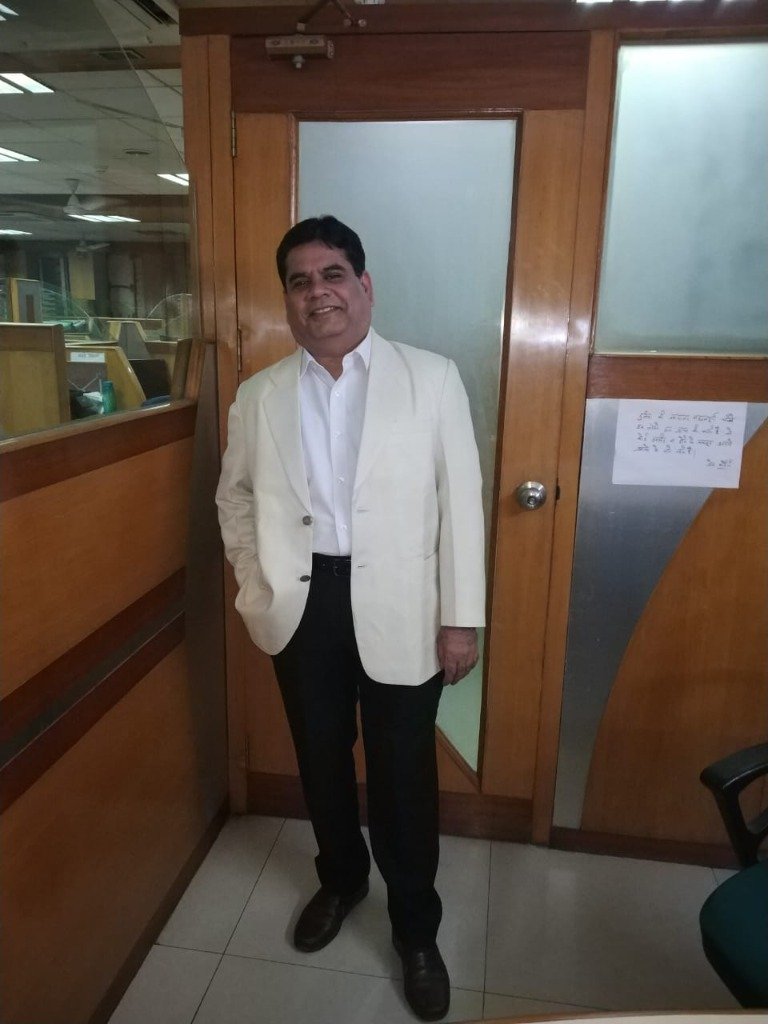
The website identifies B K Sinha as founder and principal consultant and records more than 36 years of general insurance experience. Experience can support practical questions about declarations, policy documents, renewals and claims administration, but each matter still depends on its own facts and current wording. Clients should provide accurate information, identify assumptions and ask for clarification when a point is uncertain. Where a question requires a legal opinion, technical inspection or another specialist role, the client should seek a suitably qualified professional. Experience informs the review; it does not override the policy or applicable law.
Knowledge in the work
Knowledge means working from the actual policy schedule, wording, endorsements and relevant correspondence rather than relying only on a product label or summary. It also means understanding the client's activity and the decision they need to make. A useful review separates what the documents say, what facts have been provided and what remains unknown. Clients should expect questions when information is missing and should correct inaccuracies promptly. Read the expertise page for more on policy reviews, risk mapping and documentation, then compare the guidance with the specific policy under consideration.
Integrity and clear boundaries
Integrity requires candid communication about uncertainty, limits and the source of information. KISNA cannot bind an insurer, change a policy, direct an independent surveyor or promise a claim payment. The insurer applies the contract and makes its decisions; a court or other competent forum may resolve formal disputes. A client should receive a clear explanation of the agreed task, fee and expected output before work begins. If the facts change or the issue falls outside the consultancy's remit, the next step should be discussed openly rather than implied.
Commitment to practical follow-through
Commitment is reflected in agreed actions, organised records and timely follow-up within the scope of an assignment. For a policy review, this can mean listing unclear terms and information to confirm. For a claim, it can mean arranging a chronology, matching documents to requests and recording communications. The client remains responsible for giving accurate information and meeting policy deadlines. The process should make progress and outstanding dependencies visible. Read how KISNA helps for the sequence from an initial question to a practical next step.
Insurance classes and client needs
KISNA publishes guidance for marine cargo and hull, fire, engineering, aviation, motor, health, cyber, liability, rural and miscellaneous insurance. Different classes have different terms, evidence and operational considerations, and not every product is suitable for every person or business. The service directory links to dedicated class pages that explain common questions in plain language. Those pages are educational material; a reader should check the current wording, schedule and endorsements for the actual policy and obtain written clarification when a significant point is unclear.
Local presence and communication
KISNA lists its office in Kharghar, Navi Mumbai, and publishes a landline, mobile and WhatsApp contact option. Confirm an appointment before travelling and ask what information is needed for a first discussion. A local address helps identify the consultancy but does not replace written engagement terms or secure handling of documents. Share only material needed for the question and use an agreed method for sensitive records. The contact page provides current channels and guidance on what not to send through the general enquiry form.
Registration and verification
The footer identifies KISNA Registration No. 2610300321420234. A registration reference helps identify the business as represented on this website; it should not be interpreted as confirmation of a particular policy, insurer appointment or claim outcome. If registration status or professional permissions matter to a decision, verify them through the relevant official records and request applicable documentation directly. Keep the identity of the contracting party, scope of work and payment details in writing. For questions about a policy or claim, start with the relevant service guide or claims information.